
LED
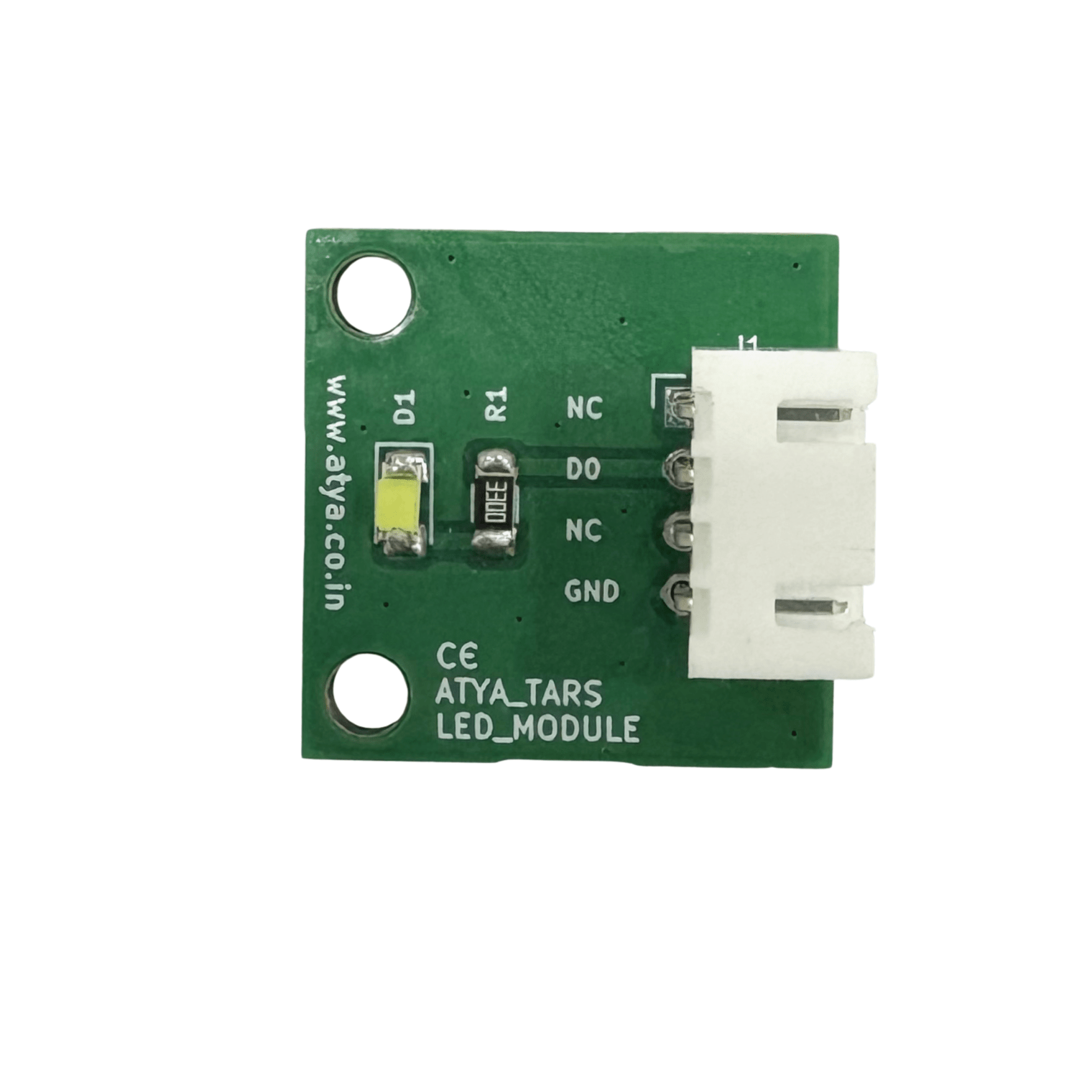
General Description:
A light-emitting diode (LED) is a semiconductor device that emits light when an electric current flows through it. When current passes through an LED, the electrons recombine with holes emitting light in the process. LEDs allow the current to flow in the forward direction and block the current in the reverse direction.
Working Principle:
LEDs, or Light Emitting Diodes, work based on the principle of electroluminescence. When a voltage is applied to the LED, current flows through the semiconductor material, causing electrons to recombine with electron holes within the device, releasing energy in the form of photons, which produces light.
Specifications:
- Very cheap.
- Come in different shapes, sizes, and colors.
- RGB LEDs allow you to light them up in virtually any color.
- Light up very quickly.
- Physically robust.
- Can easily be dimmed by lowering the forward current or with PWM.
- Radiate very little heat.
- Long lifetime.
- Can be used in a variety of applications.
Requirements
| S. No. | Component Name | Values |
|---|---|---|
| 1 | LED | |
| 2 | Resistors | 330R |
Pin Configuration:
| S. No. | Pins | Pin Description |
|---|---|---|
| 1 | NC | No Connection |
| 2 | D0 | Digital pin |
| 3 | NC | No Connection |
| 4 | GND | ground |
Applications:
- Indicator lights.
- Displays.
- Automotive lighting.
- Backlighting, and general lighting.

